What Happened to Hawaii
Beauty and displacement. A Puerto Rican sees Hawaii.
For over five years, I’ve rolled my eyes at my partner every time we look out at a beautiful landscape, from Santorini to Sicily to San Juan. “It’s very pretty,” he’d say, “but it’s not Hawaii.”
“You’ll ruin Hawaii for me,” I say angrily every time, supremely annoyed at the incessant need for this comparison and inability to simply take in beauty for its own sake, wherever it may be.
Despite this build-up, I have to admit that when I finally laid eyes on it, my jaw still dropped. Beauty abounds in this incredible planet, but there really is something about Hawaii, with its dramatic cliffs against bright blue waters, lush greens on volcanic rocks, sea turtles swimming and whales splashing in the same frame of view. I adored it. More than that, I felt at home.
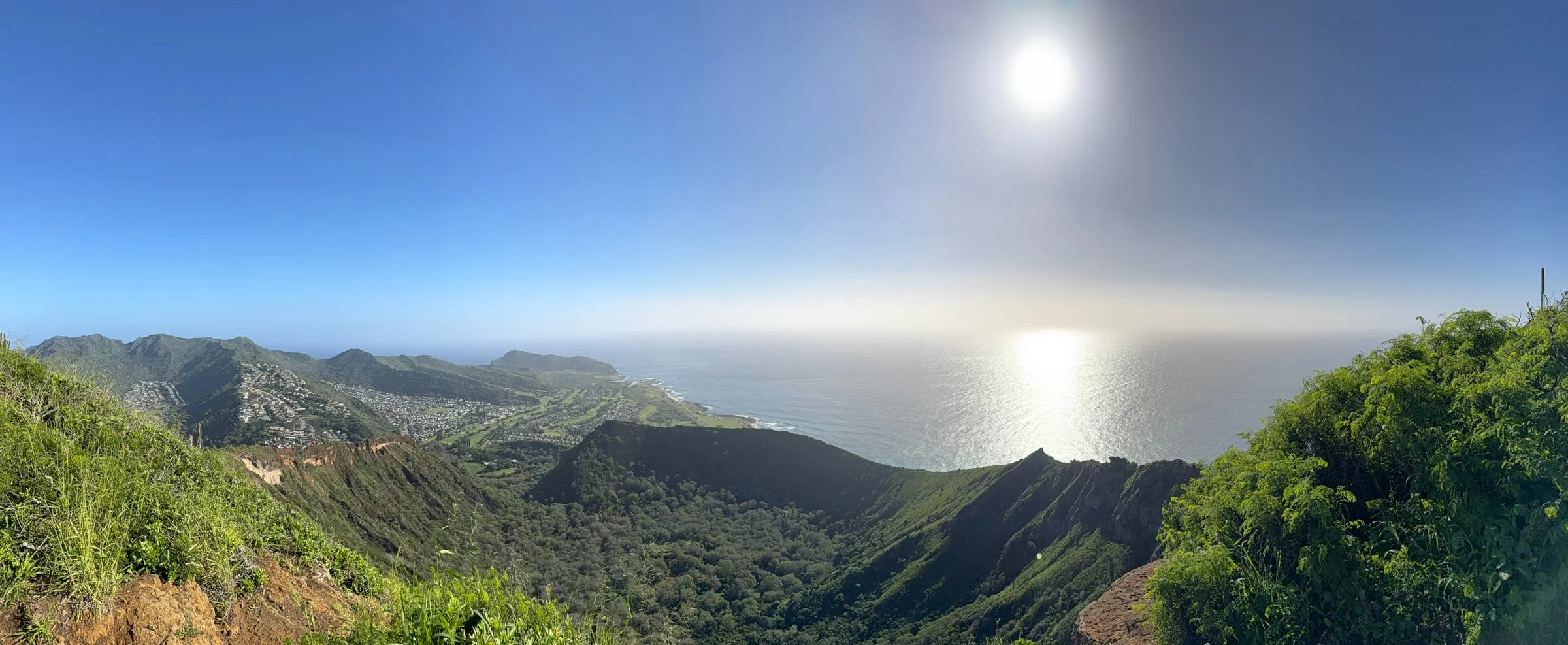
View from the top of Koko Head in Oahu.
Growing up in Puerto Rico, I tended to think of Hawaii somewhat jealously as an exotic, more privileged cousin: another American island territory, except one that people actually know of and acknowledge as part of the US; a formal state with political representation in Congress and whose residents can vote. What I found in Maui and Oahu, however, was a familiar heartbreak alongside the breathtaking beauty (and a lot of homeless people, even by American standards).
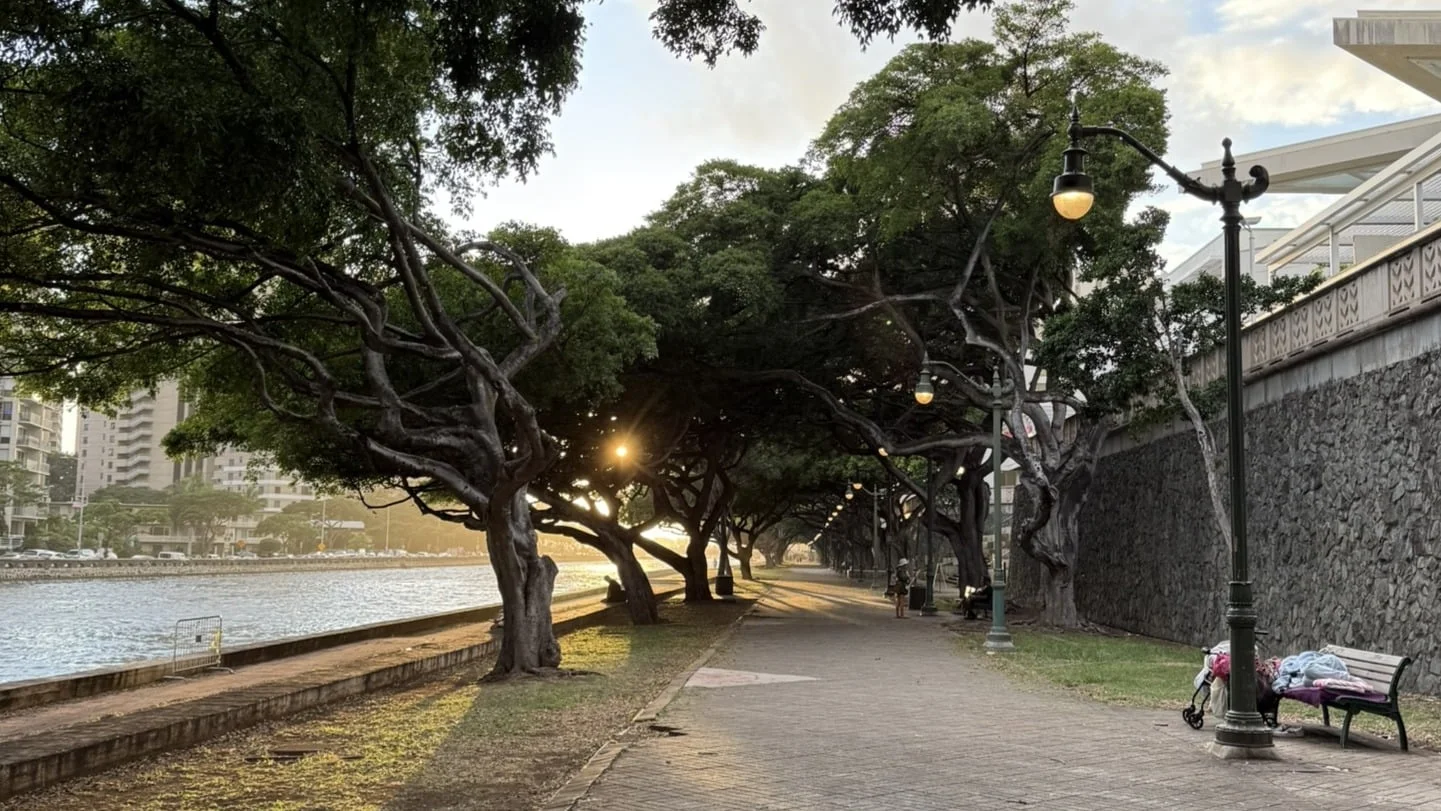
Downtown Honolulu.
“It’s changed a lot in six years,” he said, seeing that his favorite spot to watch the sunset is now a homeless encampment.
Not that any of it it should’ve been a surprise. In his recent, groundbreaking album, Bad Bunny made a beautiful song called “What happened to Hawaii” in which he soulfully laments the “Hawaiianization” of Puerto Rico. Still, seeing it in person filled me with a deep empathy for Hawaiians - the ones who have managed to hang on to their magical land, and the ones who have been forced to leave it. There are now more ethnic Hawaiians outside of Hawaii than in it.
Quieren quitarme el río
y también la playa
quieren el barrio mío
y que abuelita se vaya.
No, no sueltes tu bandera
ni olvides el lelolai
que no quiero que hagan contigo lo que
le pasó a Hawaii.
They want to take over the river
and also the sea
they want my land and neighborhood
and for grandmother to leave.
No, don’t give up your flag
and don’t forget our [typical music] lelolai
because I don’t want them to do to you
what happened to Hawaii.
— “Lo que le pasó a Hawaii” by Benito Antonio Martínez Ocasio, aka Bad Bunny (translation by me)
In the near 20 years since I left Puerto Rico for college, I’ve watched it become an increasingly difficult place to live in, resulting in an exodus of people to the mainland that only accelerated after Hurricane María. I have burst into tears at the local supermarket upon realizing how many things are more expensive there than at my Whole Foods on Capitol Hill, despite local salaries being a fraction of mine. I struggle to understand how normal people still manage to live there, with cost of living continuously inflated by an influx of rich Americans who love our sun and sea and especially our tax breaks (which, of course, don’t apply to local residents).
So when I sat down at my Airbnb to watch the whales and the out-of-this-world sunset off the coast of Maui, I wasn’t shocked to learn that I was staring directly at the Hawaiian island 98% owned by Larry Ellison. Since he owns it all, most inhabitants are his tenants and work for his Four Seasons resorts (even more exclusive versions of the Maui Four Seasons where the always-on-point White Lotus was filmed, produced by a network that Ellison’s son is currently trying to buy). Maui also feels like a stunning endless resort, and you wonder where all the people who clean and landscape the hotels and mansions live, and how they can afford $10 milk gallons.
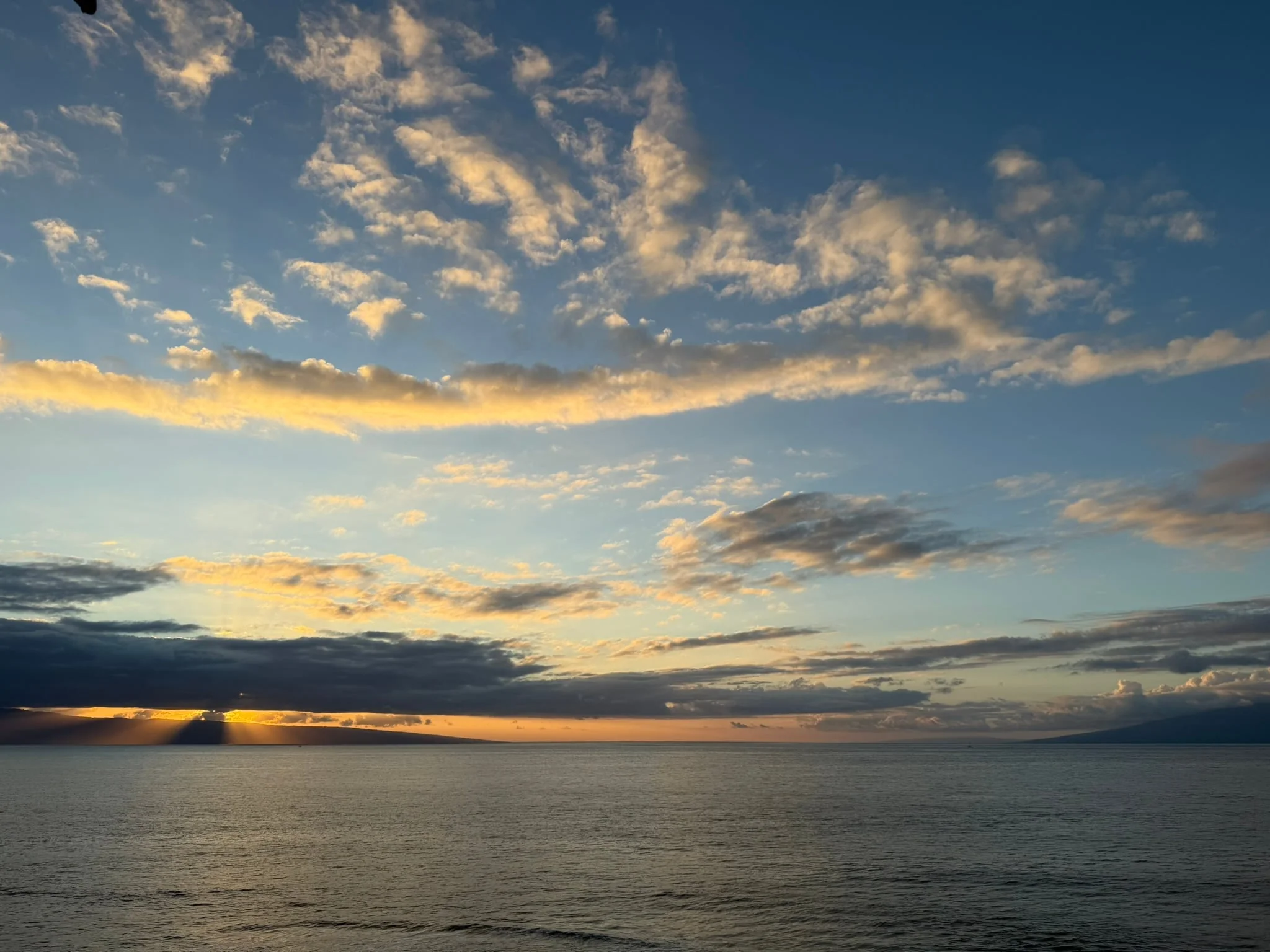
Sun setting over Lanai.
After staring in disbelief at the cost of milk everywhere we went, I went down a host of Reddit rabbit holes and was reminded that Hawaii, like PR, also gets ravaged by the archaic protectionist Jones Act. This Act has perpetuated an absurd shipping monopoly since 1920, carefully guarded by the US shipping lobby, which keeps the costs of basic necessities untenably high in places like Hawaii and PR.
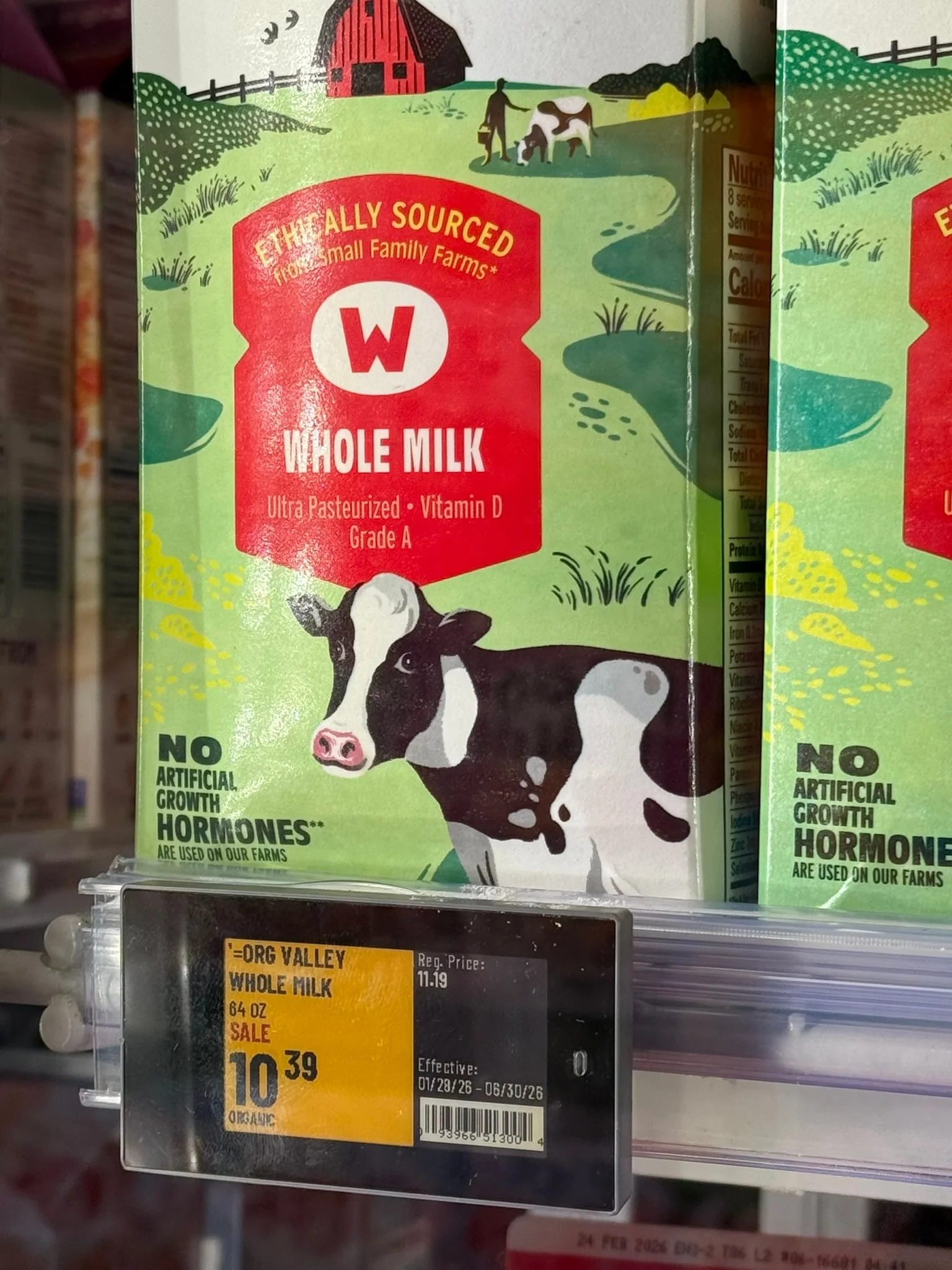
(Non-organic milk was also outrageously expensive.)
Every year from August to December I hold my breath hoping PR will make it through another hurricane season, wondering how long my family will have to survive without water and electricity next time disaster comes back around. In Hawaii, pretty much every roof I saw from Maui to Oahu seemed covered in solar panels, and I was thrilled and jealous to find out that Hawaii has made significant progress adding renewable energy capacity. Still, the scars of another kind of disaster, the 2023 Lahaina fires, remain clearly visible.
I also finally read How to Hide an Empire during my time in Hawaii, an excellent book about the usually ignored history of the US’ overseas possessions, which everyone with an interest in US and world history should read. I am thoroughly embarrassed by how much Puerto Rican history I learned from it, let alone about Hawaii and especially the Philippines. The book was a particularly relevant read before seeing Pearl Harbor, which was one of multiple US territories attacked in 1941, but the only part of the story that made it into most history books.
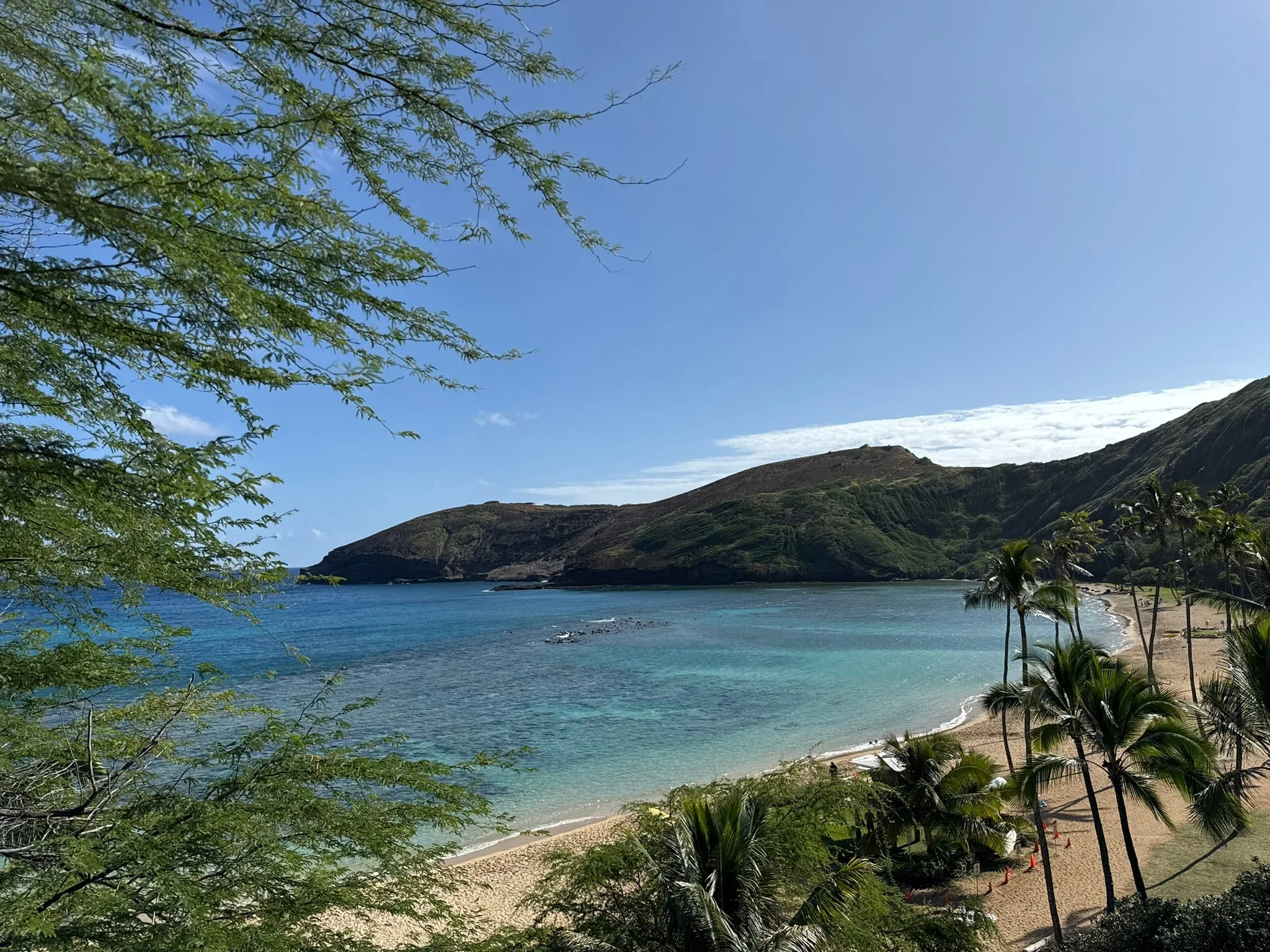
Spectacular Hanauma Bay in Oahu.
I feel a deep sense of gratitude for having been born in Puerto Rico and lucky enough to have enjoyed it, with all its beauty and its chaos, throughout my formative years. Growing up we played outside in the sand and surf, we drove through beautiful coastline on the way to school every morning, and swam in rivers hidden under lush green forests. It was a uniquely privileged childhood. I imagine Hawaiians have a similar sense of gratitude for their spectacular place on this earth, and a corresponding heartbreak upon seeing it wrested from them over generations.
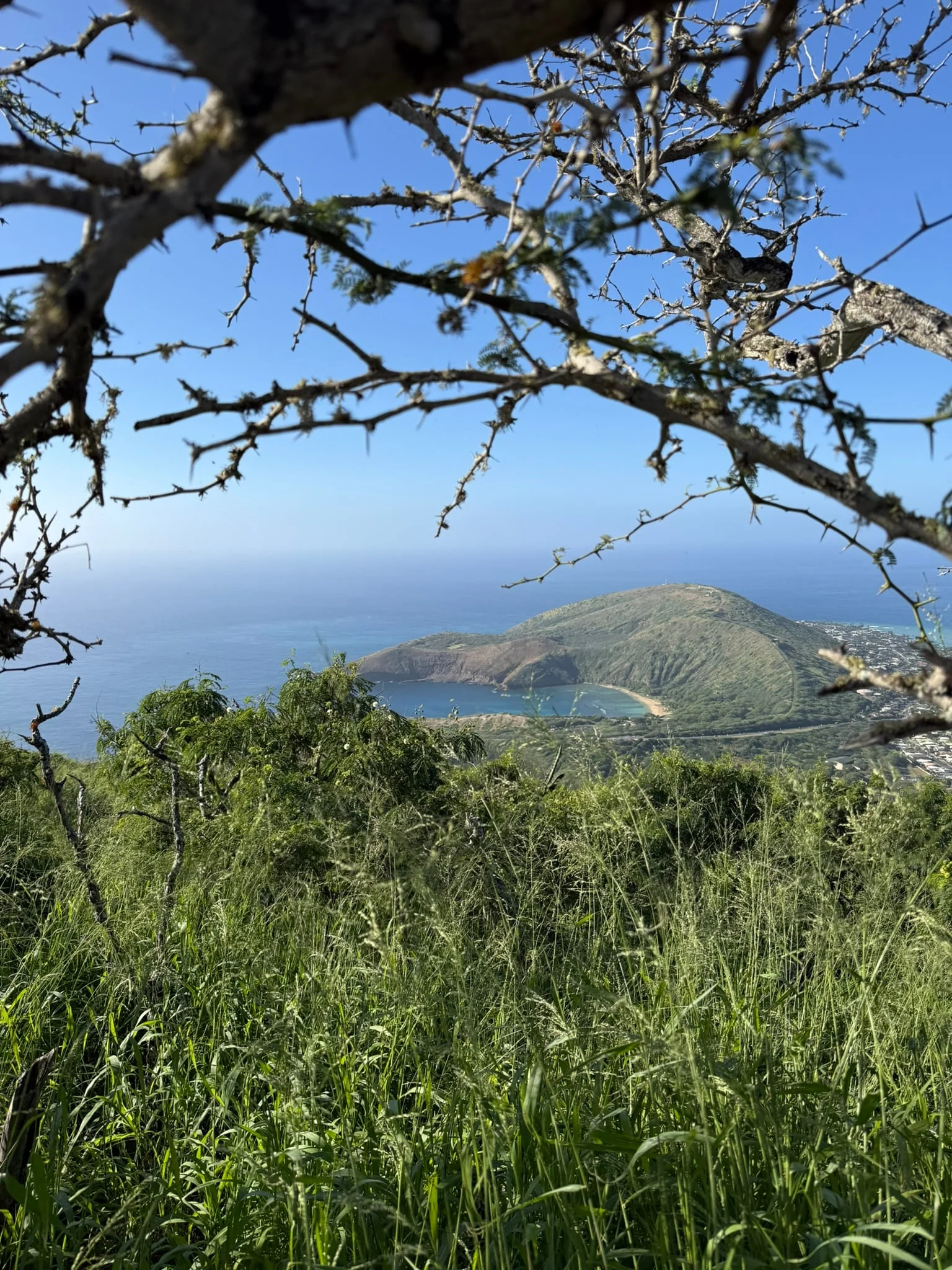
Hanauma Bay from the top of Koko Head.
As I write this some 38,000 feet over the Pacific en route to another place steeped in US imperial history (Manila), I look at my photos and can’t help but admit, it really is that stunning. I loved my time in Hawaii, but in a way leaving Honolulu filled me with the same sadness I feel every time I take off from San Juan.
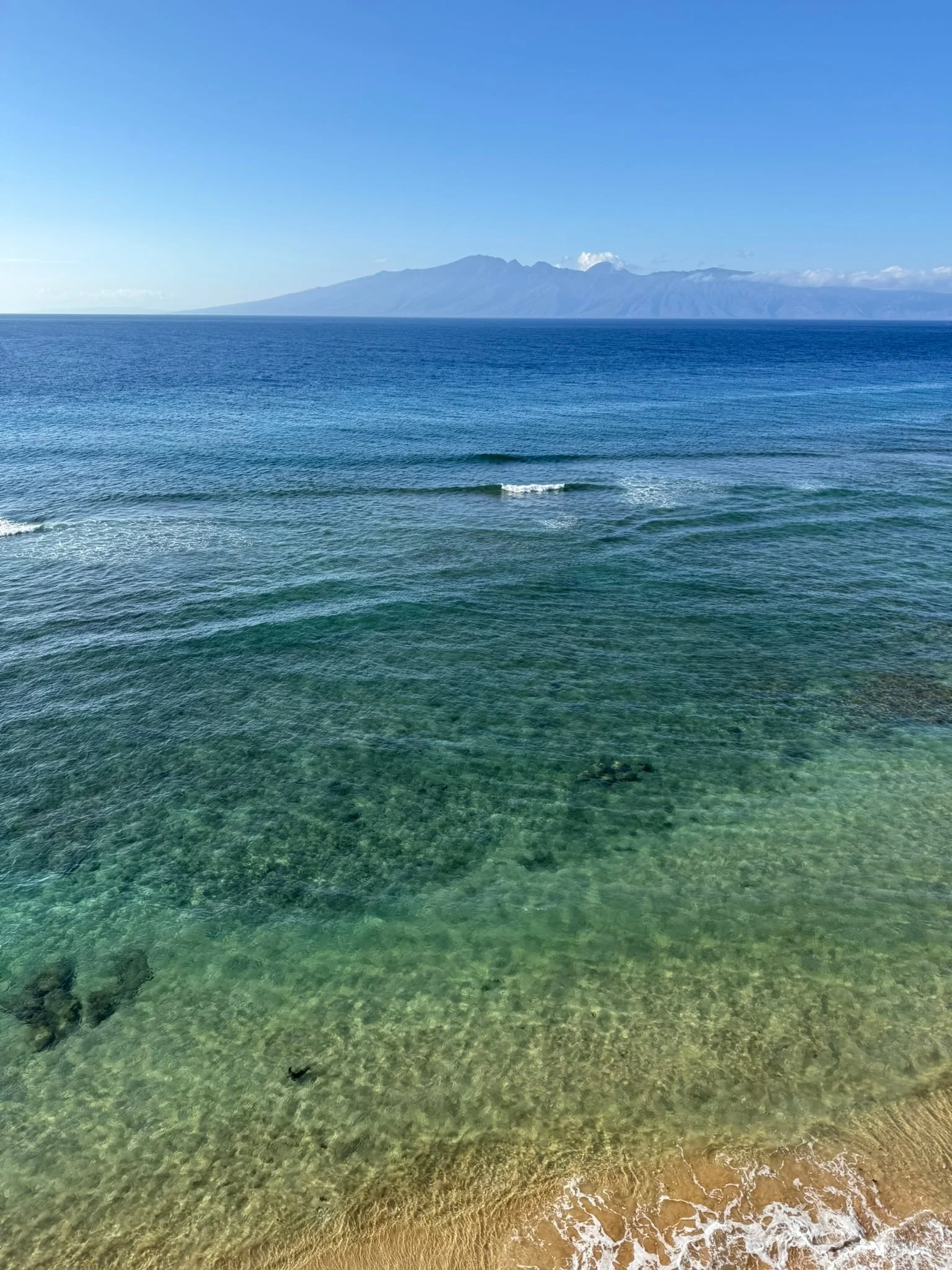
Spot the turtle.
It’s Superbowl weekend in America. Bad Bunny is about to bring the first all-Spanish music show to the country’s biggest stage, to the dismay of many people enraged that just a year after Kendrick Lamar’s unapologetically black show, they still can’t get a real American on the halftime show. The empire stays hidden (but our music does not!).
This might be partly why Bad Bunny’s extremely, specifically, unapologetically Puerto Rican album has somehow resonated all over the world. What happened to Hawaii is not unique to us, it’s a tale as old as time.
Mahalo Hawaii. May our cultures endure. May our people survive.